Understanding Cryptocurrency Basics for Cautious Investors
You know, life is full of surprises, and sometimes these come in digital form. Just a few weeks ago, I was having tea with my friend's son, Arjun, an engineer in his late 20s. He nonchalantly mentioned that he had dipped his toes into Bitcoin. My initial reaction? A mix of curiosity and concern. The cryptocurrency market is known for its wild rides, but as we delved deeper into the topic, I realized that with the right knowledge and a cautious approach, it could be an interesting addition to one's investment portfolio.
In this article, we'll break down the basics of cryptocurrency, address common concerns, and offer some practical tips. Whether you're new to investing or looking to diversify your financial garden, understanding cryptocurrency is like learning a new language—it opens up a world of possibilities.
What is Cryptocurrency?
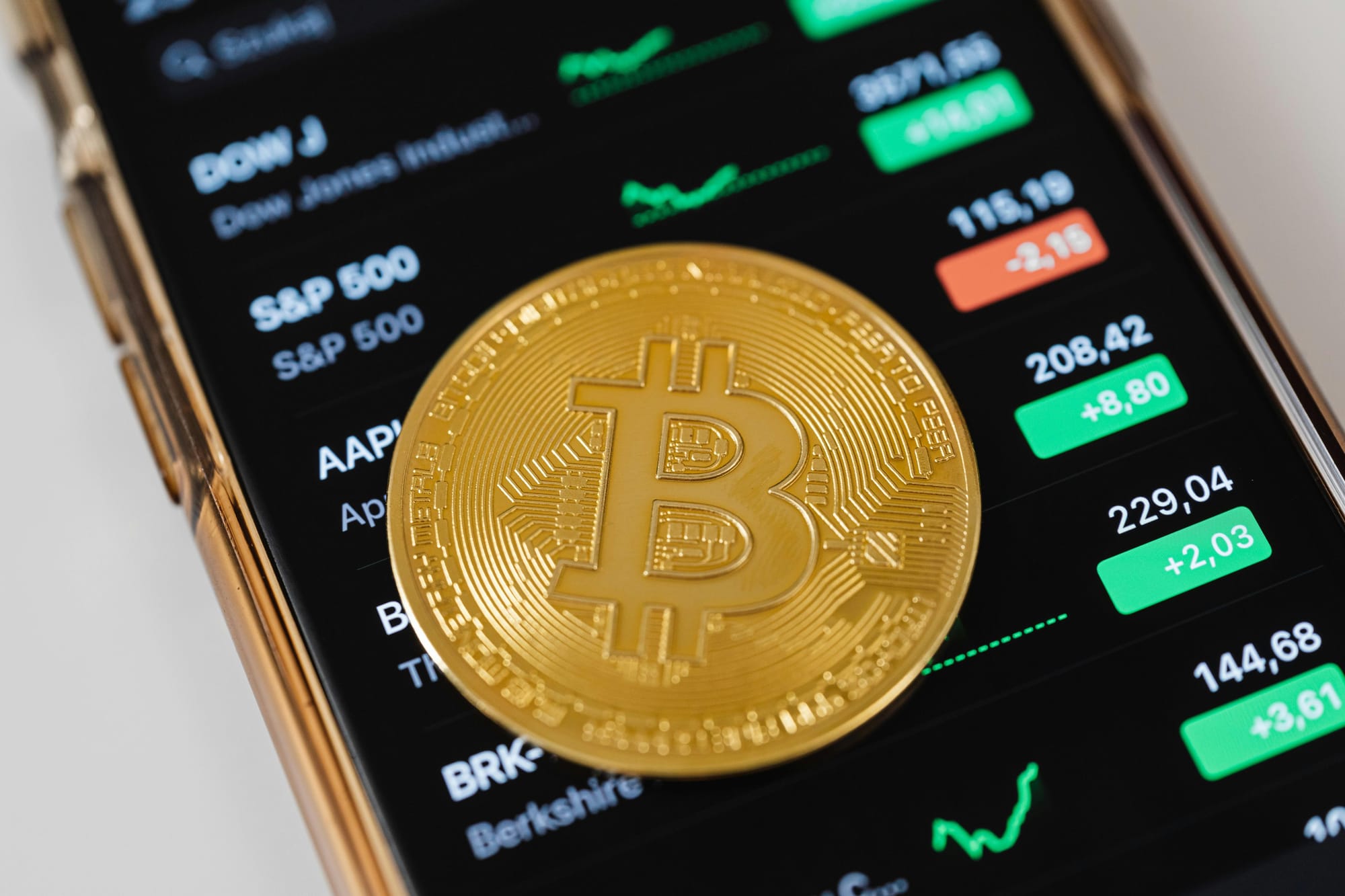
Imagine walking into a bustling market where instead of exchanging rupees or dollars, people use a digital form of currency that's secure, decentralized, and not controlled by any government. That’s cryptocurrency for you! It's a virtual currency that relies on cryptography to ensure transactions are safe and transparent. The most famous one is Bitcoin, but there are others like Ethereum and Litecoin.
To make it relatable, think of the old Indian proverb: "A tree is known by its fruit." In this context, the fruit represents the benefits of cryptocurrency—decentralization, security, and speed—while the tree is the blockchain technology that makes it all possible. Just as a healthy tree produces good fruit, a robust blockchain ensures secure transactions.
How Does Cryptocurrency Work?
Let’s dive into how this digital magic works:
- Mining: Imagine a group of miners working tirelessly to solve complex puzzles. In the crypto world, powerful computers do the mining by solving mathematical problems to validate transactions on the blockchain.
- Transactions: When you want to send cryptocurrency to someone, you create a transaction and broadcast it to the network. It's like writing a letter and sending it off.
- Verification: Miners then verify this transaction using complex algorithms and add it to the blockchain. Think of them as the postal workers ensuring your letter reaches its destination safely.
- Blockchain: This is the public ledger that contains all transactions made on the network. It’s like a giant, transparent bookkeeping system.
To put things into perspective, consider this: as of 2022, the total value of all cryptocurrencies in circulation was over $2 trillion USD. That's more than double what it was just a few years ago, showing how much interest and adoption cryptocurrency has gained globally.
Is Cryptocurrency Safe?
Safety is always top of mind for cautious investors like us. While there have been some high-profile hacks and scams, the underlying technology—blockchain—is designed to be virtually unhackable. Its decentralized nature and cryptographic algorithms make it a secure platform.
However, as with any investment, risks exist. To mitigate these:
- Do Your Homework: Before investing in any cryptocurrency, research its technology, market trends, and potential use cases.
- Diversify Your Portfolio: Don’t put all your eggs in one basket. Spread your investments across different asset classes to minimize risk.
- Choose Reputable Exchanges: Stick with well-established exchanges that have robust security measures.
How to Invest in Cryptocurrency for Beginners
Getting started might seem intimidating, but it’s simpler than you think. Here are the basic steps:
1. Select an Exchange: Choose a reputable exchange that supports your desired cryptocurrency. Some popular ones are Coinbase, Binance, and Kraken.
2. Create an Account: Sign up for an account on the exchange and complete any necessary verification processes. It’s like setting up a new bank account.
3. Fund Your Account: Deposit fiat currency or other cryptocurrencies into your account. Think of it as putting money in your digital wallet.
4. Place an Order: Use your deposited funds to purchase the desired cryptocurrency. It’s just like buying shares on the stock market.
When choosing an exchange, consider factors like fees, security, and user interface. A smooth, secure experience can make all the difference.
Crypto Investment Strategy for Beginners
Developing a crypto investment strategy involves considering your risk tolerance, financial goals, and time horizon. Here are some tips to get you started:
- Start Small: Begin with a small investment to test the waters. As you become more comfortable, gradually increase your position size.
- Diversify: Spread your investments across different cryptocurrencies to minimize risk. Don’t bet all your chips on one horse.
- Think Long-Term: Cryptocurrency investing is a marathon, not a sprint. Avoid making impulsive decisions based on short-term market fluctuations.
Conclusion
Cryptocurrency can be a viable investment option for cautious investors who are willing to educate themselves and approach it with care. By understanding the basics of cryptocurrency—its technology, risks, and potential rewards—you can make informed decisions that align with your financial goals.
If you’re curious about diving deeper into cryptocurrency investing or need personalized advice, consider consulting a financial advisor. After all, as they say in the investment world: "The rupee today, the dollar tomorrow." Don’t miss out on potential opportunities—take control of your financial future and start exploring the world of cryptocurrency today.
Remember, financial freedom is not just a dream; it’s a plan. Happy investing!
Related: Short-Term Rental Investors Exit Whitefish as Prices Outpace Revenue | Understanding Credit Scores: Key Factors and Tips to Improve | PFS Stock Surpasses 200-Day Moving Average: What’s Next for Investors?
Enjoyed this? Enter your email for a weekly digest from Savvysavings Blog.
Read more across our network:
• 12 Cozy Soup Recipes for Cold Weather Comfort
• BMW F 450 GS vs KTM 390 Adventure S: Engine, Price, Features Compared